
What Causes Cellulite to Get Worse? 9 Common Aggravators
Medically reviewed by Meg LaFerriere, APRN · Ageless KC, Lee’s Summit, MO
You can’t change the anatomy that causes cellulite. You can change some of the things that make it look worse.
Quick answer: Cellulite is caused by connective tissue structure, genetics and hormones, but it tends to look worse with aging skin and collagen loss, weight gain or rapid weight swings, a sedentary routine, smoking, pregnancy, fluid retention, high-sodium eating, chronic stress and sun-damaged skin. Some of these are in your control, and improving them supports skin quality.
What causes cellulite in the first place?
The core cause is how your skin is built. Vertical bands of connective tissue, called fibrous septae, tether the skin down while small chambers of fat push up. That pattern is typical in women and is shaped by estrogen and your genes.
That’s why two sisters with similar habits often have similar cellulite, while two friends with identical routines may look very different.
Those causes are mostly fixed. Aggravators are different. They change how much the structure shows through at a given time.
Which factors make cellulite more visible?
- Aging skin. Collagen and elastin decline over time, so skin gets thinner and less able to hide what’s underneath.
- Weight gain. Larger fat lobules press harder against the skin.
- Rapid weight swings. Repeated gain and loss can stretch skin and reduce its firmness.
- Sitting a lot. Long periods of sitting slow local circulation and compress the backs of the thighs.
- Smoking. Smoking damages collagen and narrows small blood vessels in the skin.
- Pregnancy. Hormone shifts, fluid and weight changes can make texture more noticeable.
- Fluid retention. Hormone cycles, heat, long flights and salty meals can make tissue puffier for a while.
- Chronic stress and poor sleep. Long-term high cortisol may affect fat storage and collagen.
- Sun damage. UV exposure breaks down collagen, and a tan only hides texture briefly.
Which cellulite aggravators can you control?
| Within your control | Mostly outside your control |
|---|---|
| Smoking | Genetics and family history |
| Activity level and sitting time | Sex and connective tissue pattern |
| Steady weight vs swings | Puberty, pregnancy and menopause timing |
| Sleep and stress habits | Natural aging of skin |
| Sun protection | Skin thickness you’re born with |
Working on the left column won’t erase cellulite. It can keep it from getting worse and support the results of any treatment you choose.
Do tight clothes or certain foods cause cellulite?
You’ll see claims that tight underwear, coffee or specific foods cause cellulite. There isn’t good evidence for any single food or clothing item as a cause.
What matters more is the overall pattern. A diet that keeps your weight steady and includes enough protein supports skin and muscle. Very salty eating can cause short-term puffiness, which may make texture look worse for a day or two, but it doesn’t create cellulite.
What can you do if your cellulite is getting worse?
Start with the basics you can control: move during the day, build muscle in your legs and glutes, protect your skin from the sun and skip smoking.
If you want a visible change on top of that, in-office care that targets the tissue can help. T-Shape 2 combines low-level laser, bipolar radiofrequency, vacuum suction and mechanical massage, and it’s FDA-cleared for the temporary reduction in the appearance of cellulite and temporary improvement of local blood circulation. Some clients also add a short lymphatic drainage session for temporary puffiness.
A sudden change in one leg with pain, swelling, warmth or redness is not a cellulite issue. See a clinician right away.
Frequently asked questions
Can drinking more water reduce cellulite?
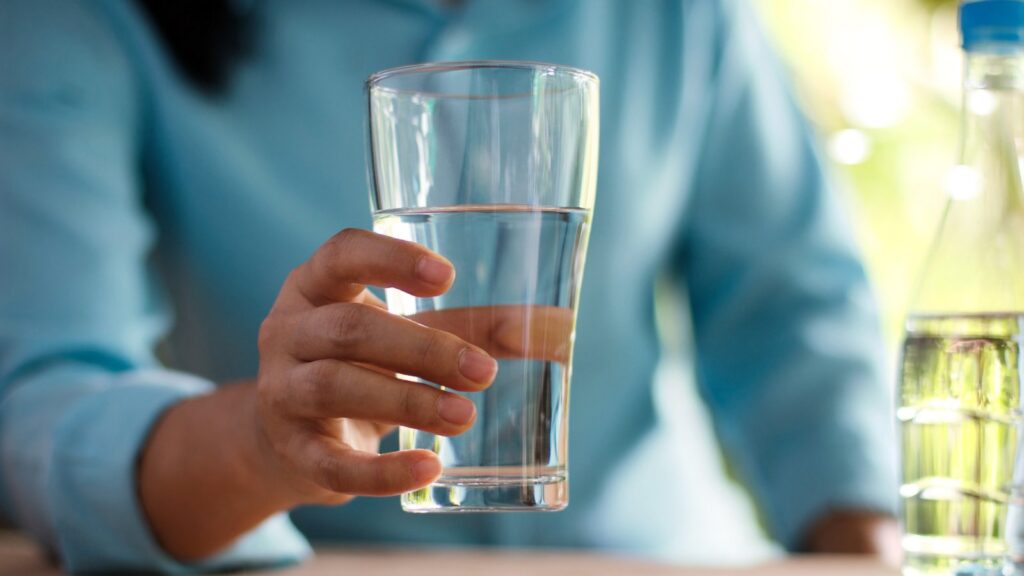
Staying hydrated supports skin and overall health, but drinking extra water won’t remove cellulite. Being well hydrated may slightly improve how skin looks compared with being dehydrated.
Does cellulite get worse in winter?
Many people notice it more in winter because they move less, may gain a little weight and have paler skin, which shows shadows more. The tissue itself hasn’t changed much.
Can stress cause cellulite?
Stress doesn’t create cellulite, but long-term high stress and poor sleep can affect weight, fat storage and collagen, which may make it more visible over time.
Ready to work on the part you can change?
T-Shape 2 at Ageless KC in Lee’s Summit is FDA-cleared for the temporary reduction in the appearance of cellulite. Start with a $199 intro session.
Sources: American Academy of Dermatology; Cleveland Clinic; Mayo Clinic; NIH/MedlinePlus; FDA 510(k) K231092 (T-Shape 2, B&M S.r.l.)
This article is for general education and isn’t medical advice. Treatments aren’t right for everyone, and results vary. Our practitioner reviews your health history before any treatment.
Next step
Start with a conversation, not a commitment.
A short visit, a real lab panel and a plan built for your body. No contracts, no packages you have to sign up for.
840 NW Blue Parkway, Suite 104 · 816.888.3745